
Our History
In the fall of 1975 Woodland offered courses in an outreach program. In 1981 the California Postsecondary Education Commission labeled Woodland as an official education center.
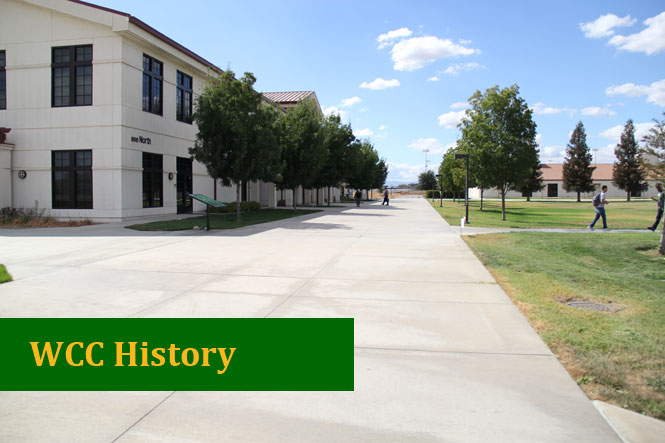
In 1990, Woodland Center (now Woodland Community College) relocated to its current 120 acres (49 ha) parcel of land. In 1999 Yuba Community College District notified its intent for Woodland Center to become a self-sufficient community college, the same year that a Child Development center was opened on campus. The next year the district received the approval from the State Chancellor’s office to begin Woodland Center’s process of being a comprehensive college.
The Lake County Campus has offered courses to Lake County citizens since 1972. The campus center began with the humble offering of a few courses at Konocti Harbor Inn. The campus now serves 1000 students in modern facilities in a lovely oak woodland campus in Clearlake, California.
Documents of Historical Significance:
1977 Needs Assessment and Feasibility Study for Woodland Center (pdf, 37mb)
Significance: Provides background information regarding the development of Woodland Community College (previously known as Woodland Center). This study recommended to the Board of Trustees of Yuba Community College District begin a process to obtain a permanent site for what would become Woodland Community College.
Woodland Community College Land Acknowledgement
WCC Land Acknowledgement: We should take a moment to acknowledge the land on which we are gathered. For thousands of years, this land has been the home of Patwin people. Today, there are three federally recognized Patwin tribes: Cachil DeHe Band of Wintun Indians of the Colusa Indian Community, Kletsel Dehe Wintun Nation, and Yocha Dehe Wintun Nation. The Patwin people have remained committed to the stewardship of this land over many centuries. It has been cherished and protected, as elders have instructed the young through generations. We are honored and grateful to be here today on their traditional lands.
We should take a moment to acknowledge the land on which we are gathered. For thousands of years, this land has been the home of Patwin people. Today, there are three federally recognized Patwin tribes: Cachil DeHe Band of Wintun Indians of the Colusa Indian Community, Kletsel Dehe Wintun Nation, and Yocha Dehe Wintun Nation. The Patwin people have remained committed to the stewardship of this land over many centuries. It has been cherished and protected, as elders have instructed the young through generations. We are honored and grateful to be here today on their traditional lands.